
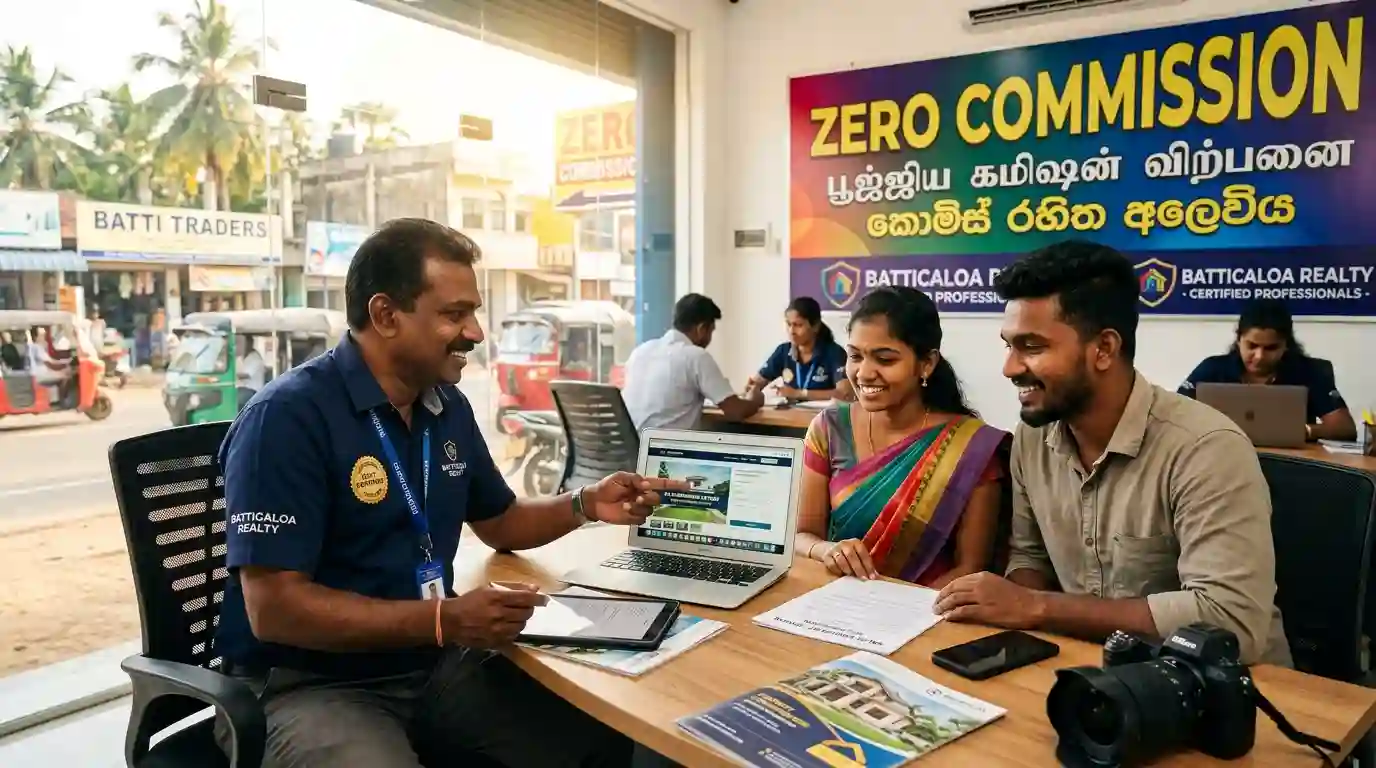
Zero Commission Sales: How Direct Selling Is Changing Business in Sri Lanka
For as long as most people can remember, selling almost anything of real value in Sri Lanka — property, vehicles, even larger household goods — meant going through an agent or broker who took a cut, often 3-5% or more, simply for connecting buyer and seller. "Zero commission sales" describes the growing shift away from that model: platforms, tools, and direct-to-buyer strategies that let sellers keep the full sale price instead of splitting it with an intermediary.
Where This Shift Is Happening Most
Property sales are the clearest example. Traditionally, selling a house or land in Sri Lanka meant listing with an agent who took a commission on the final sale price — a cost that, on a multi-million rupee property, adds up to a genuinely significant sum. Online property portals now let owners list directly, handle inquiries themselves, and close the sale without paying that agent commission at all, keeping the full amount for themselves minus whatever the platform charges for the listing itself, which is typically far less than a traditional agent's cut.
Vehicle sales follow a similar pattern. Rather than going through a dealer who marks up a used vehicle or a broker who takes a fee for arranging the sale, private sellers increasingly list directly on classifieds and marketplace platforms, negotiate with buyers themselves, and complete the transaction without a middleman's cut eating into the price.
General goods and marketplace sales — electronics, furniture, appliances — have moved almost entirely toward direct, commission-free listings on classifieds-style platforms where sellers post an item, communicate directly with interested buyers, and agree on price without any third party taking a percentage.
Why Zero Commission Models Have Grown
A few forces are driving this shift specifically in the Sri Lankan context. Rising costs across the board have made every percentage point of commission feel more painful than it used to — a 3-5% agent fee on a large purchase represents real money that buyers and sellers alike are increasingly reluctant to hand over when a direct alternative exists. At the same time, smartphone adoption and comfort with digital platforms mean far more people are willing to handle negotiations, viewings, and paperwork themselves rather than paying someone else to manage that process. Trust has also shifted — detailed listings, photos, and direct buyer-seller messaging on modern platforms give people enough confidence to transact without an intermediary vouching for the deal.
What Sellers Actually Gain and Give Up
The appeal of zero commission selling is straightforward on the financial side: keeping the full agreed price rather than losing a percentage to a broker or agent is a real and immediate saving, and on higher-value items like property or vehicles, that saving can be substantial.
What sellers give up in exchange is the work an agent or broker used to do — screening serious buyers from casual browsers, handling negotiation on the seller's behalf, managing paperwork and legal steps, and in some cases providing a layer of trust that made buyers more comfortable transacting with a stranger. A private seller taking the zero-commission route needs to be willing to do some or all of that work themselves, or find other ways to handle it — hiring a lawyer directly for property transfer paperwork, for instance, rather than relying on an agent to coordinate it.
Building a Zero-Commission Selling Strategy That Actually Works
For anyone selling directly rather than through an agent or broker, a few practices consistently separate a smooth, full-price sale from a frustrating one.
Invest in the listing itself. Clear photos, an honest and complete description, and a realistic price save enormous time by filtering out buyers who aren't seriously interested, which matters more when there's no agent doing that screening for you.
Be reachable and responsive. Without an agent fielding inquiries on your behalf, delayed replies to interested buyers are the single biggest way a direct sale falls through — serious buyers move on quickly to the next listing if they don't hear back promptly.
Understand the paperwork you're now responsible for. Whether it's a vehicle transfer, a property deed, or simply a clear receipt for a smaller item, a zero-commission sale shifts responsibility for getting these details right onto the seller (and buyer), so it's worth knowing exactly what's required before listing rather than discovering gaps mid-negotiation.
Price honestly rather than testing the market with an inflated figure. Without an agent providing an independent read on fair market value, sellers sometimes over- or under-price listings; a bit of research into comparable recent sales helps set a price that actually closes rather than sitting unsold for months.
The Bigger Shift This Represents
Zero commission selling reflects something broader happening across Sri Lanka's economy: a gradual move away from paying intermediaries by default, toward handling transactions directly wherever digital tools make that genuinely feasible. It won't replace every use of agents and brokers — complex, high-stakes property deals or situations where a buyer genuinely values professional negotiation support will likely keep some intermediated selling around. But for a growing share of everyday transactions, the option to sell directly and keep the full sale price is now realistically available in a way it simply wasn't a decade ago, and that shift is worth understanding whether you're selling a car, a plot of land, or anything in between.