
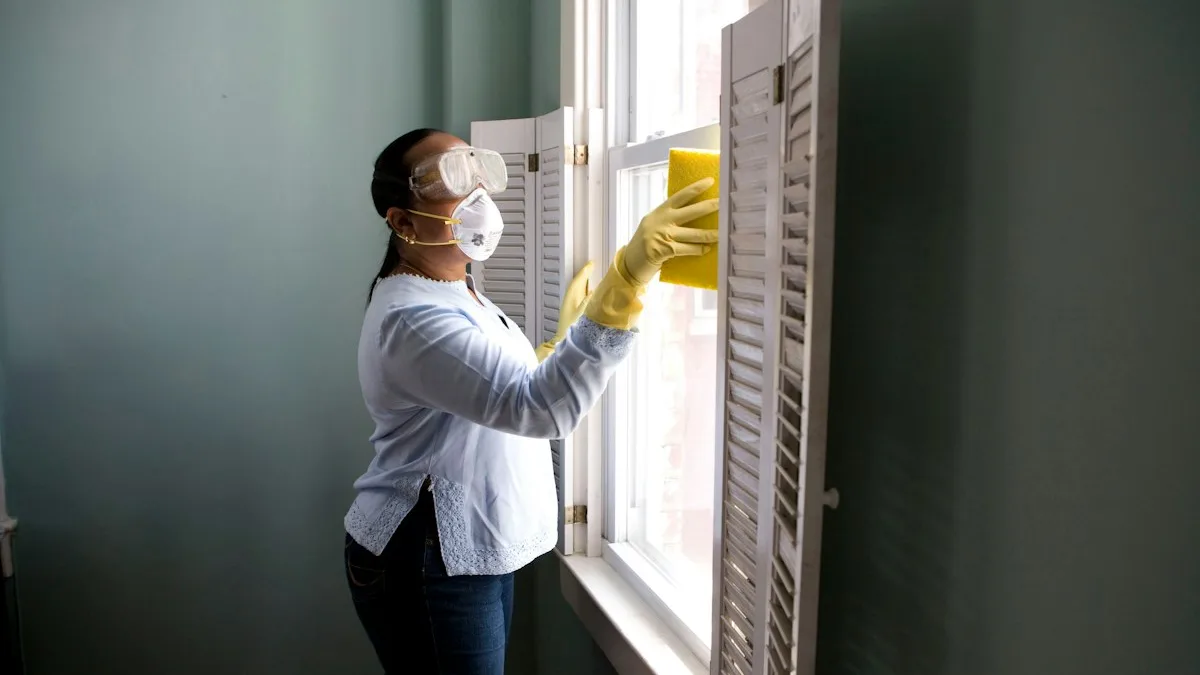
Section 1: Introduction & Industry Overview of House Deep Cleaning & Termite Pest Control in Sri Lanka: Chemical vs. Pre-Construction (2026 Guide)
Entering 2026, the Sri Lankan facility management and pest control industry has undergone a radical transformation. Driven by a resurgence in the construction sector and a heightened national consciousness regarding hygiene and structural integrity, the dual sectors of House Deep Cleaning and Termite Pest Control have evolved from luxury services into essential utilities for homeowners and commercial developers alike. In a tropical climate like Sri Lanka’s, where humidity levels often exceed 80%, the battle against biological decay and subterranean termites is constant.
The 2026 landscape is defined by a clear distinction between reactive chemical treatments and proactive pre-construction barriers. For years, Sri Lankan homeowners in districts like Colombo and Gampaha relied on post-infestation spraying. However, the shift toward sustainable building practices has prioritized pre-construction soil treatment and physical piping systems. Simultaneously, the deep cleaning market has moved beyond basic dusting to specialized microbial sanitization and high-pressure steam cleaning, catering to the burgeoning luxury apartment market and the revitalized tourism villas in Galle and Matara.
This guide serves as the definitive resource for entrepreneurs, investors, and homeowners to navigate the complexities of the 2026 market. We analyze the shift in chemical regulations, the rise of eco-friendly 'green' pesticides, and the localized economic factors affecting pricing in all 25 districts of the island.
Section 2: Market Demand & Regional Target Audience Analysis across 25 Districts
The demand for cleaning and pest control is not uniform across Sri Lanka. Each of the 25 districts presents unique environmental challenges and consumer behaviors. Understanding these regional nuances is critical for any commercial advertising strategy in 2026.
The Western Province Hub: Colombo, Gampaha, and Kalutara
In Colombo, the demand is driven by vertical living. High-rise apartments require specialized deep cleaning services that include external glass cleaning and indoor air quality management. Gampaha, being the most populous district, sees a high volume of residential termite control requests as suburban sprawl encroaches on previously forested or rubber-plantation lands, which are natural termite habitats. Kalutara focuses heavily on moisture control and mold remediation alongside standard cleaning services.
The Northern & Eastern Expansion: Jaffna, Kilinochchi, Trincomalee, and Batticaloa
The Jaffna peninsula and Kilinochchi are experiencing a construction boom in 2026. The limestone-heavy soil in Jaffna requires specific chemical formulations for termite control to ensure long-term efficacy. In Trincomalee and Batticaloa, the hospitality sector is the primary driver, with hotels requiring rigorous deep cleaning schedules to maintain international standards for the influx of global tourists.
The Central Highlands: Kandy, Matale, and Nuwara Eliya
In Kandy and Matale, the damp, cool climate facilitates the growth of wood-boring insects and damp-wood termites. Deep cleaning in Nuwara Eliya often involves heavy-duty carpet cleaning and dehumidification services to combat the pervasive moisture that affects colonial-era bungalows and modern resorts alike.
The Southern Coastal Belt: Galle, Matara, and Hambantota
Galle remains a hotspot for high-end villa management. Foreign investors and expatriates demand premium 'turnkey' deep cleaning services. Hambantota, with its industrial developments, sees a demand for large-scale pre-construction termite proofing for warehouses and commercial complexes.
The Agricultural & Emerging Heartlands: Kurunegala, Anuradhapura, Polonnaruwa, and Beyond
In Kurunegala and Anuradhapura, the transition from agricultural land to residential plots has led to massive subterranean termite issues. Districts like Monaragala, Badulla, Ratnapura, and Kegalle present opportunities for specialized pest control targeting not just termites but also wood-boring beetles common in timber-rich Sabaragamuwa. Even in less urbanized districts like Mullaitivu, Mannar, and Vavuniya, the rise in government infrastructure projects has mandated pre-construction termite barriers as a standard contractual requirement.
Section 3: Financial Requirements, Initial Capital & Budget Breakdown in LKR
Starting or hiring for these services in 2026 requires a clear understanding of the inflated costs of imported chemicals and high-tech machinery. Below is a breakdown of the estimated financial requirements in Sri Lankan Rupees (LKR).
| Category | Estimated Cost (LKR) - 2026 | Description |
|---|---|---|
| Industrial Cleaning Equipment | 1,500,000 - 3,500,000 | Steam cleaners, high-pressure washers, floor scrubbers, and HEPA vacuums. |
| Pest Control Inventory | 800,000 - 1,500,000 | Imported termiticides (Fipronil/Imidacloprid), baiting stations, and sprayers. |
| Licensing & Registration | 150,000 - 300,000 | Registrar of Pesticides certification, ROC, and local municipal permits. |
| Marketing & Digital Presence | 200,000 - 500,000 | SEO-optimized website, WhatsApp Business API, and social media ad spend. |
| Vehicle & Logistics | 4,500,000 - 7,000,000 | Branded service van for equipment transport across districts. |
Service Pricing for Consumers (2026 Estimates)
- Standard House Deep Cleaning (2000 sqft): LKR 45,000 - LKR 85,000 depending on the district and level of grime.
- Post-Construction Chemical Termite Treatment: LKR 150 - LKR 250 per square foot.
- Pre-Construction Soil Treatment (Piping System): LKR 300,000 - LKR 750,000 for a standard residential foundation.
Section 4: Step-by-Step Implementation & Operational Roadmap
Success in the Sri Lankan market requires a blend of technical expertise and logistical efficiency. Here is the operational roadmap for 2026.
Phase 1: Technical Certification
Before launching, technicians must undergo training certified by the National Apprentice and Industrial Training Authority (NAITA) or private international bodies. In pest control, handling chemicals like Bifenthrin requires a deep understanding of toxicity levels and environmental impact, especially in water-sensitive areas like Polonnaruwa or Ampara.
Phase 2: Chemical vs. Pre-Construction Methodology
Chemical (Post-Construction): This involves drilling and injecting termiticides into the foundation. While effective, it is disruptive. In 2026, the trend is moving toward 'low-odor' and 'non-repellent' chemicals that allow residents to remain in the building.
Pre-Construction: This is the gold standard. It involves treating the soil before the slab is poured or installing a 'Termite Reticulation System'—a network of pipes that can be refilled with chemicals every 3-5 years without drilling. This is increasingly mandated for new builds in Colombo 07 and luxury developments in Hambantota.
Phase 3: Deep Cleaning Protocols
Deep cleaning is no longer just about soap and water. The 2026 protocol includes:
- HEPA Filtration: Removing fine dust and allergens, crucial for the dusty environments of Anuradhapura.
- Steam Sanitization: Using 120°C steam to kill bacteria and bedbugs without harsh chemicals.
- Upholstery Extraction: Deep-seated dirt removal from sofas and mattresses using industrial extractors.
Section 5: Marketing, Branding & Digital Customer Acquisition Strategy
In a digitally-forward Sri Lanka, traditional flyers are obsolete. The 2026 strategy must be hyper-local and mobile-first.
WhatsApp Marketing & Automation
WhatsApp is the primary communication tool in Sri Lanka. Implementing a WhatsApp Business API allows for automated booking, sending 'before and after' photos to clients in Kandy or Galle, and automated reminders for annual pest control check-ups. This builds immense trust and recurring revenue.
Local SEO & Directory Optimization
When a homeowner searches for "Termite control in Jaffna" or "Best deep cleaning Colombo," your business must appear in the 'Map Pack.' Ensure your Google Business Profile is optimized with high-resolution images of your team in action, wearing branded safety gear. Localized landing pages for each of the 25 districts will significantly boost SEO rankings.
Strategic Partnerships
Forming alliances with real estate agents in Negombo and architects in Colombo ensures a steady stream of pre-construction leads. Offering a 'Moving-In' deep cleaning package in collaboration with apartment management companies is a high-conversion tactic.
Section 6: Legal Business Registration, Tax & Regulatory Compliance in Sri Lanka
Operating a cleaning and pest control business involves strict regulatory oversight in 2026 to ensure public safety.
Pest Control Licensing
All pest control operators must be registered with the Office of the Registrar of Pesticides. This involves a rigorous audit of your storage facilities, chemical handling procedures, and technician qualifications. Failure to comply can lead to heavy fines and blacklisting from government tenders.
Business Registration & Taxation
Most small to medium enterprises (SMEs) register as a Private Limited Company (PVT Ltd) through the Registrar of Companies. In 2026, businesses must be mindful of Value Added Tax (VAT) thresholds and the Social Security Contribution Levy (SSCL). Proper bookkeeping is essential, especially when dealing with corporate clients in the Port City or BOI zones who require formal tax invoices.
"Compliance is not just a legal hurdle; it is a competitive advantage in the Sri Lankan market. Clients in 2026 are willing to pay a premium for certified, insured, and tax-compliant service providers."
Section 7: Long-Term Scaling, Risk Mitigation & Conclusion
The future of the industry lies in specialization and technology. As you scale across the 25 districts, consider diversifying into industrial cleaning for the manufacturing hubs in Biyagama and Avissawella. Investing in drone-based thermal imaging can help detect termite colonies behind walls without invasive drilling, a high-tech service that can command premium pricing.
Risk Mitigation
The primary risks include chemical exposure and property damage. Investing in comprehensive Public Liability Insurance is non-negotiable. Furthermore, as the Sri Lankan Rupee fluctuates, maintaining a 3-month buffer of imported chemical stocks is vital to avoid service interruptions.
Conclusion: The House Deep Cleaning and Termite Pest Control industry in Sri Lanka is poised for exponential growth through 2026. By focusing on regional needs—from the humid coastlines of Puttalam to the bustling streets of Dehiwala—and adopting a 'Pre-Construction First' mindset, businesses can secure a dominant market share. Whether you are a homeowner protecting your investment or an entrepreneur building a brand, the key lies in the intersection of advanced technology, localized marketing, and unwavering regulatory compliance.